
Blog

store-operations-services
cost-increases
Protect Margins and Boost Profits with Expert Store Management
September 3, 2024
In a time of rising costs and tight margins, convenience store owners face the challenge of maintaining profitability while keeping prices competitive. MostEdge's comprehensive store operations services offer a strategic solution, helping you manage every aspect of your business - from invoice reconciliation to shift monitoring. By optimizing your store's operations, we help you save money, protect your bottom line, and boost your profit margins. Let us handle the daily tasks so you can focus on growing your business, even in a tough economic climate.
seasonal-tips
pricing-management
Maximizing Fall Sales with Pumpkin Spice and Seasonal Flavors
September 3, 2024
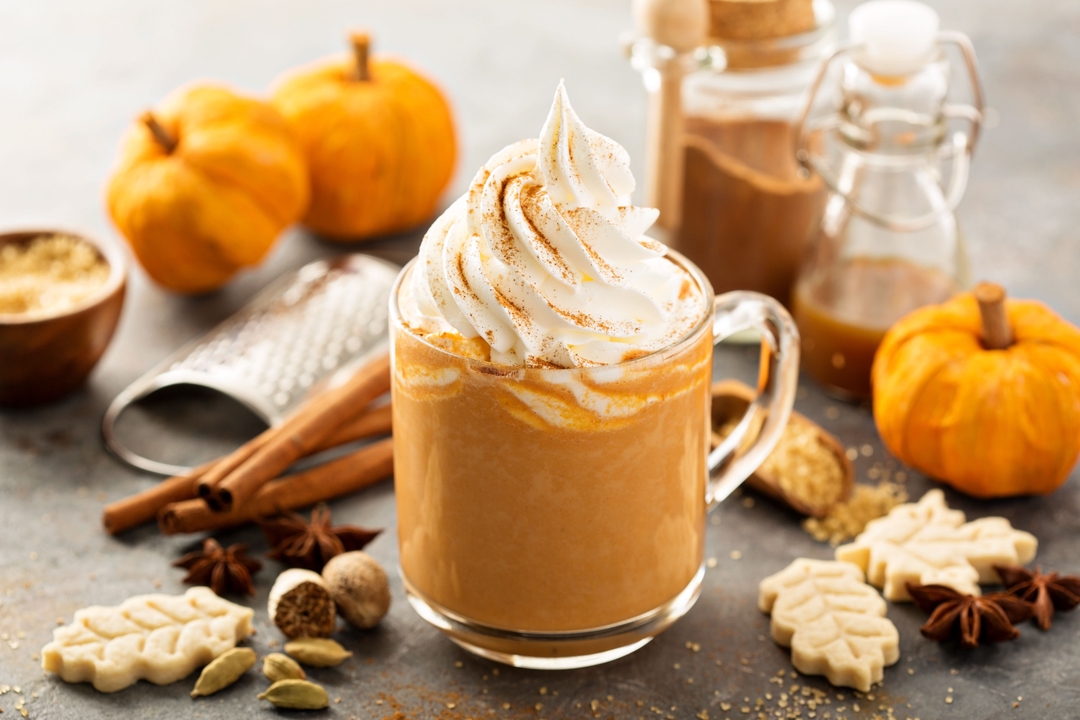
As autumn sets in, the irresistible allure pumpkin spice returns, bringing with it a surge in sales for convenience stores. Celebrating 20 years since Starbucks introduced the iconic Pumpkin Spice Latte, this seasonal flavor has become a cornerstone of fall menus everywhere. From lattes to baked goods, pumpkin spice continues to drive significant in-store traffic and boost profits. But it's not just about pumpkin anymore - other fall flavors like apple and cinnamon are also gaining traction. Discover how to maximize your store's fall sales by embracing these seasonal favorites, with the help of MostEdge's pricing and inventory management solutions.

Trusted By Many
Become A Part Of It